The independent appliance repair shop across the Mid-Atlantic
When the Oven Lies About Its Temperature
If your oven runs hot or cold, the fix is usually calibration, the temperature sensor, or a door that's leaking heat, and we handle all three around Norristown. Cookies burn on the bottom in eight minutes, or the roast sits pale after an hour. The dial says 350 and the oven disagrees. Temperature drift is one of the most common calls we get, and it traces back to a handful of ordinary parts. Here's how to think it through before you call us.
Call (888) 826-9217- A real person answers
- Open 7 days
- Written quote before work starts
Taking calls until 5:00 PM ET
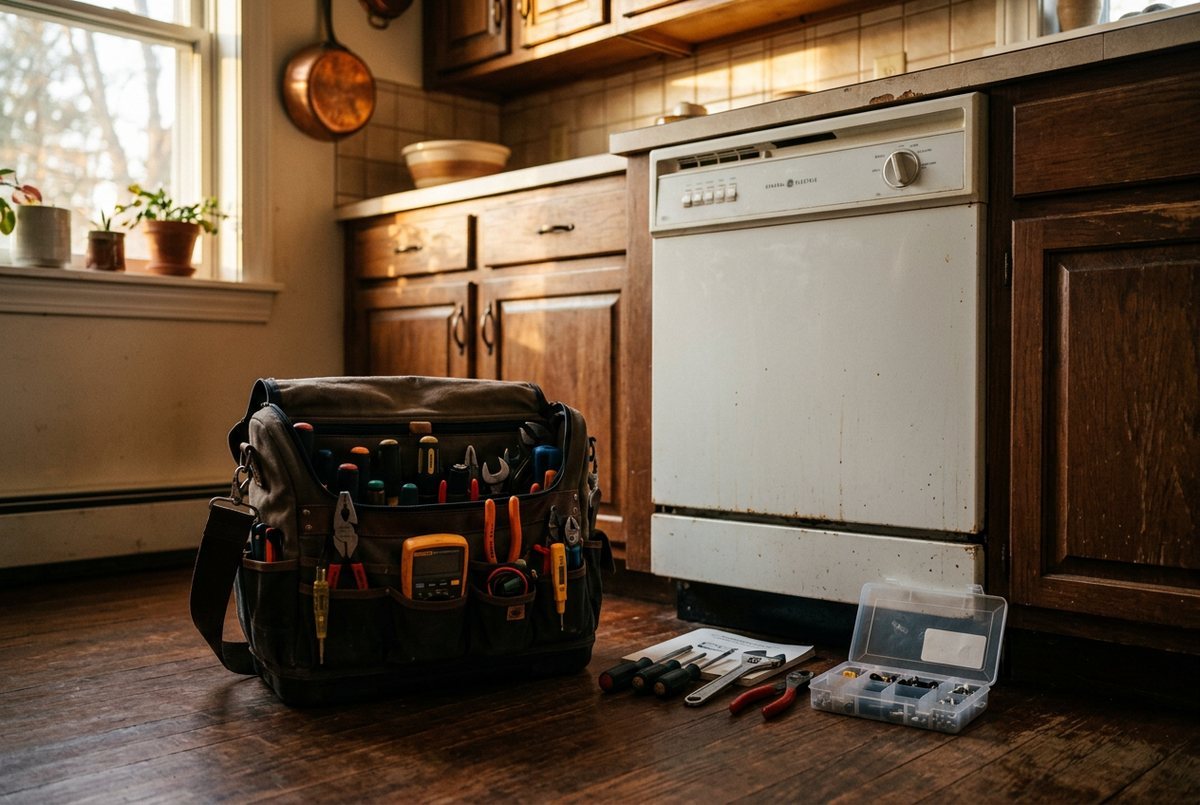
Norristown Appliances service team · field-reviewed before publishing
What "running hot or cold" actually means
An oven doesn't hold one steady temperature. It cycles. The burner or element kicks on, overshoots a little, shuts off, and coasts back down. A healthy oven swings maybe 20 to 25 degrees around your setting, and the food never notices. Drift is when that whole swing shifts. The oven averages 325 when you asked for 375, or it averages 400 and scorches everything. Baked goods tell you first, because cakes and breads care about exact heat. Roasts and casseroles forgive a lot more. If your broiler still works fine but baking is off, that's a useful clue worth mentioning when you call.
Cause one: calibration and habits
Start cheap. Most ovens let you offset the calibration by 30 or 35 degrees through the control panel, and someone may have nudged it years ago. Check your owner's manual for the sequence. Then look at how you use the oven. Opening the door to peek drops the cavity 25 to 50 degrees fast, and older split-level kitchens with drafty windows make recovery slower. Crowded racks block airflow. A pizza stone or a sheet of foil on the bottom rack traps heat under your food and bakes the underside hard. Pull the foil and give the air room to move.
Cause two: the sensor and the thermostat
Inside the oven, a thin metal probe sticks out from the back wall. That's the temperature sensor, and it tells the control board how hot things are. When it drifts out of range, the board acts on bad information and heats too much or too little. Older ovens use a capillary bulb thermostat instead, a tube clipped along the cavity wall. Either one can fail slowly, which is why the problem usually creeps up over months rather than appearing overnight. Sensors are a common repair and generally straightforward. Look at the probe to see if it's bent against the wall, but leave the swap to us.
Cause three: heat that leaks out
Sometimes the oven heats fine and just can't hold it. Door gaskets are the usual culprit. Run your hand around the closed door and feel for warm air escaping, especially at the corners. Look at the rubber or braided seal for gaps, flat spots, or tears. Also check whether the door sits square. Hinges sag over years, particularly in rowhome kitchens where the oven door gets used as a landing spot for hot pans. A door that won't close flush bleeds heat continuously, and the oven runs the element harder to keep up. You'll see that as uneven, unpredictable baking.
Safe checks versus what we do
Safe for you: buy a standalone oven thermometer, hang it from the center rack, run the oven at 350 for 20 minutes, and read it. Do that a couple of times. Wipe the door seal. Clear crowded racks. Confirm the calibration setting. Stop there. Don't pull the back panel, don't touch gas connections, and don't poke at wiring. When we come out, we log actual cavity temperatures across a full cycle, test the sensor's resistance against spec, check the element or igniter draw, and inspect the door seal and hinges under load. That tells us which part is actually lying. Call us and describe what your thermometer showed.
When the Oven Lies About Its Temperature — fast answers
Can I just set the dial higher to compensate?
You can, as a stopgap. But drift often gets worse, so today's 25 degrees becomes next month's 60. You also won't know if the real issue is a failing sensor or a leaking door seal.
Why does my oven bake unevenly front to back?
That usually points to airflow or a door that isn't sealing square, not calibration. Overcrowded racks and foil liners cause it too. A convection fan that's stopped turning will do it as well.
Is an oven thermometer accurate enough to trust?
An inexpensive dial thermometer is close enough to spot a 40 or 50 degree problem. Take several readings at different settings. Bring those numbers to us and it shortens the diagnosis considerably.
How it works
- Step 1
Tell us the symptom
Call us or fill out the form and describe what you hear, smell or see. Grinding, leaking, no heat at all. If you can find the tag, give us the brand and roughly how old the machine is.
- Step 2
We book a window
Pick a visit time that fits your day. We ask ahead about tight doorways, basement stairs and stacked units, so the right tools come off the truck on the first trip.
- Step 3
Diagnose, then repair
Our tech tests the machine and explains what failed in plain words, then lays out your options. Common parts ride along on the van. If a part has to be ordered, we schedule a prompt return.
- A real person answers
- Open 7 days
- Written quote before work starts
Why homeowners call us
- Built for local kitchensNorristown is home base. We know the Philly rowhome galleys where the fridge barely clears the cabinet, and the 1960s split-levels with laundry tucked behind a furnace. A cramped space doesn't slow the repair down.
- Independent, not a dealerWe work for you, not a manufacturer. So you get straight talk about whether a machine is worth fixing or close to done. No script, no upsell pressure, and nobody steering you toward a showroom floor.
- Wide brand experienceRefrigerators, washers, dryers, dishwashers, ranges, wall ovens and cooktops. Front-load or top-load, gas or electric. We handle older workhorses and newer control boards, and we keep up with the common failure patterns across the major brands.
- Clear communicationYou hear what part failed and why. We'll show you the worn belt or the cracked pump housing. Floors get covered, cabinets stay protected, and the old parts leave with us.
- All major brands, gas & electricEvery major appliance brand, gas and electric, handled by an independent shop.
- Straight answersIf replacing beats repairing, you hear it from us first.
About this guide
If the safe checks didn't fix it, the fault is real
Bring your notes from the checks to the call and booking takes no time.
- A real person answers
- Open 7 days
- Written quotes
- All major brands
- Gas & electric
Rather not call? Get a free quote →